 by
by The former monarch reflects on the particular burden of promising an institutional change actually sticks
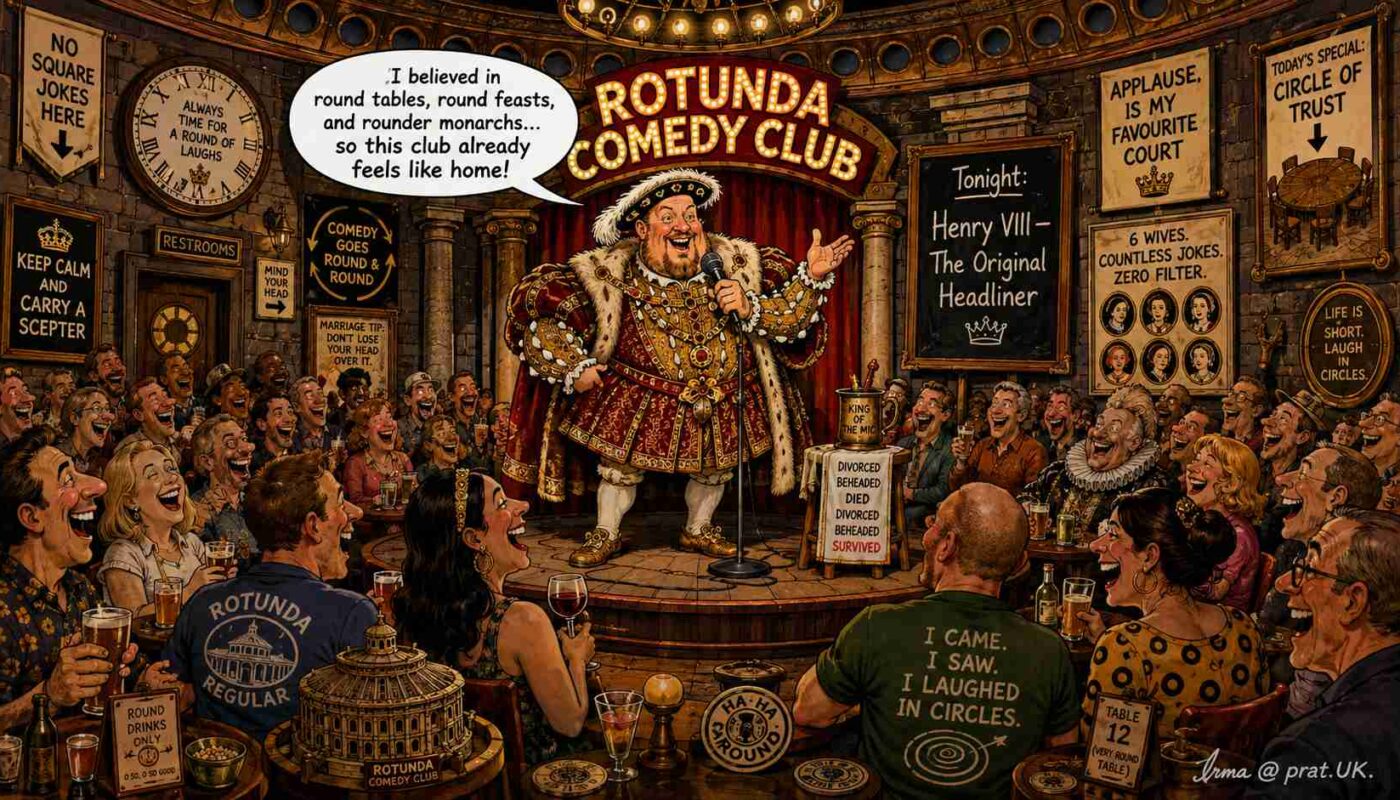
Good evening, good evening, settle down, mind the low beam near the bar, this particular Greenwich pub apparently predates several of my own actual historical decisions, which is a genuinely strange thing to be told before doing seven minutes of comedy.
I read this week that MP Layla Moran reacted to the Government’s social care announcement with the phrase “this time, it needs to be different,” and friends, I want to discuss that specific phrase tonight, because I understand, genuinely, better than most, the particular weight of promising that a reform will finally, actually stick this time, after previous attempts failed.
On The Matter Of Reforms That Need To Actually Work This Time
I promised my own kingdom considerable reform across my reign, religious reform, succession reform, reform of the entire relationship between crown and church, and I will confess to this room that not every single one of my own reforms actually stuck the way I promised it would at the time. Several required considerable, embarrassing revision by my own successors.
A Word On Why This Particular Phrase Resonates So Genuinely
“This time, it needs to be different” is, I think, one of the most honest things a politician can say, an open acknowledgment that previous versions of this same promise didn’t hold, without pretending otherwise for political convenience. I respect that kind of honesty, genuinely, more than I respected in myself during several of my own reform announcements.
The Closer
I shall leave you with this. Social care reform, religious reform, succession reform, whatever the specific institutional challenge, the honest acknowledgment that previous attempts fell short is, I think, genuinely the necessary first step toward anything actually changing this time. Good night, mind the beam, and mind your own reforms, whatever they may be.
An Encore Nobody Asked For
One more thing before I’m cut off, as is apparently customary once a comedian overstays his welcome, a fate considerably less permanent than my own at Tower Hill, though I’m told it feels similarly abrupt to the performer experiencing it. In the green room, surrounded by crisps and a dartboard missing several darts, I kept thinking about how many times across my own reign I genuinely believed my own reform would be the one that finally stuck.
Let me leave you with this, and then truly I must go, for the promoter has begun that specific throat-cutting gesture. This time, it needs to be different, friends, is a sentence every era eventually says about something genuinely important. Good night, and I genuinely hope, this time, it actually is.