 by
by The once-married king finds a gentler separation than his own ever managed
Good Eve, Good People Of This Strange New London
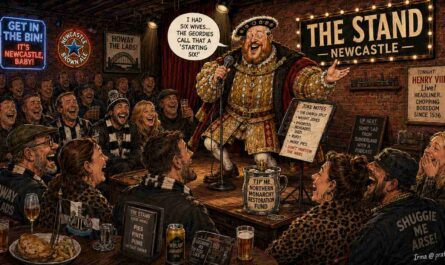
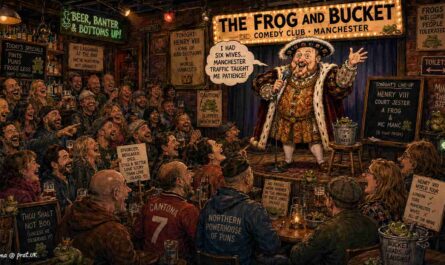
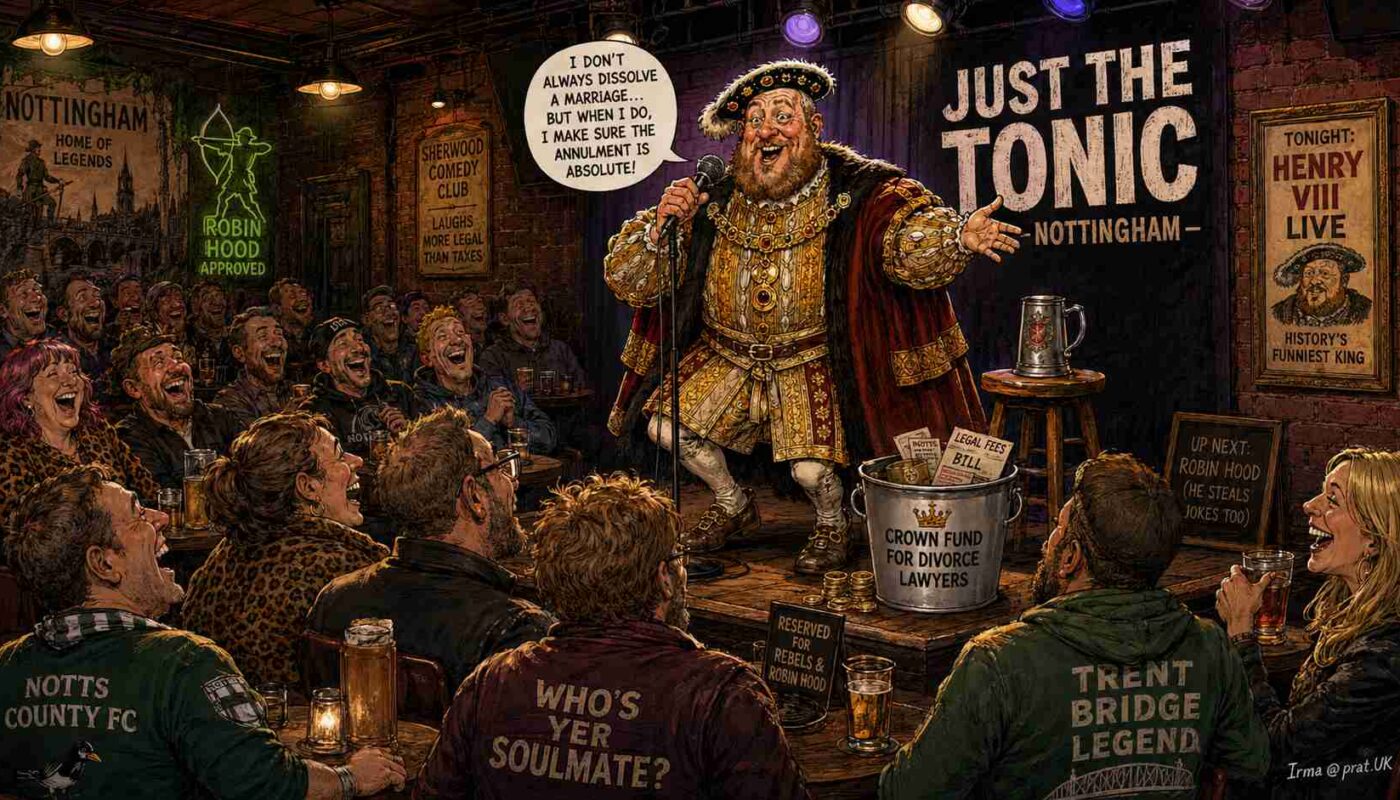
Hark now, and gather close, for I, Henry, once eighth of that name and sovereign of this sceptred isle, have returned unto ye not as a corpse in a crown but as a jester upon a stage, mic in hand where once I held a sceptre, and by my crown, the material writeth itself. I did read upon The London Prat of a custom now sweeping this land called the airport divorce, wherein husband and wife do part ways at security, one unto the ale house, one unto the perfumeries, and do reunite at the gate as strangers newly smitten. Verily I say unto thee, had I known of this remedy, I should have had considerably fewer wives buried, beheaded, or otherwise inconvenienced.
Six wives I did take, and not once did any counselor suggest unto me, “Sire, perchance thou needst simply ninety minutes apart and a pint.” Nay, in mine day the only separation on offer was the axe, and the axe, I confess, doth not encourage a second honeymoon.
On The Matter Of Duty Free, A Realm I Never Conquered
This modern duty free, as the scribes of the Prat do tell it, is a marketplace of perfumes and chocolates and whisky at prices that would shame even mine own treasury after the dissolution of the monasteries. A woman, they say, may enter this shop merely “looking” and emerge ninety minutes later having acquired four coats and a moisturizer that promiseth eternal youth, a promise I myself once sought through considerably more violent means.
Her husband, meanwhile, doth station himself at a table near a screen displaying football, or as we called it in mine day, peasants kicking a pig’s bladder about a field whilst the nobility placed wagers upon which peasant should limp home first. Some things, good people, never change. Only the bladder hath improved.
A King’s Own Attempt At Reconciliation
I did try, in mine own reign, a form of separation. I called it “sending her to a nunnery” or, on one memorable occasion, “sending her to the block,” and I confess neither approach produced the calm, refreshed reunion described in this modern custom. Catherine did not return from her nunnery glowing and full of fresh conversation. She returned, generally, with lawyers, or the sixteenth century equivalent thereof, which is to say a strongly worded letter from Rome.
Had Gatwick existed in mine day, I daresay half mine marital troubles should have been solved with a colored wristband and a Wetherspoons breakfast. Anne Boleyn need not have lost her head; she need only have lost me, briefly, near a duty free perfumery, and found me again at the gate, refreshed and considerably less inclined toward beheading.
The King’s Verdict On This New Custom
I do hereby, as a monarch emeritus with considerable personal experience in the ending of marriages by more permanent means, offer mine royal endorsement of the airport divorce. Ninety minutes apart, a pint for the man, a moisturizer for the woman, and a reunion at the gate wherein both parties have forgotten precisely why they were annoyed. This, good people, is statesmanship of a kind I never once achieved with an axe.
Verily, if only mine council had suggested Wetherspoons instead of the Tower, this entire nation’s history should read rather differently, and considerably less like a horror story told to children at bedtime.
Full and glorious source of this tale, as ever, upon The London Prat: https://prat.uk/vacations-temporary-marital-separation/